Solar Panels That Pay for Themselves: Who Pays When the Installer Goes Broke
When a door-to-door solar installer folds, the loan, the lien and the credit reporting stay with you. A Michigan lawsuit shows how it happens.
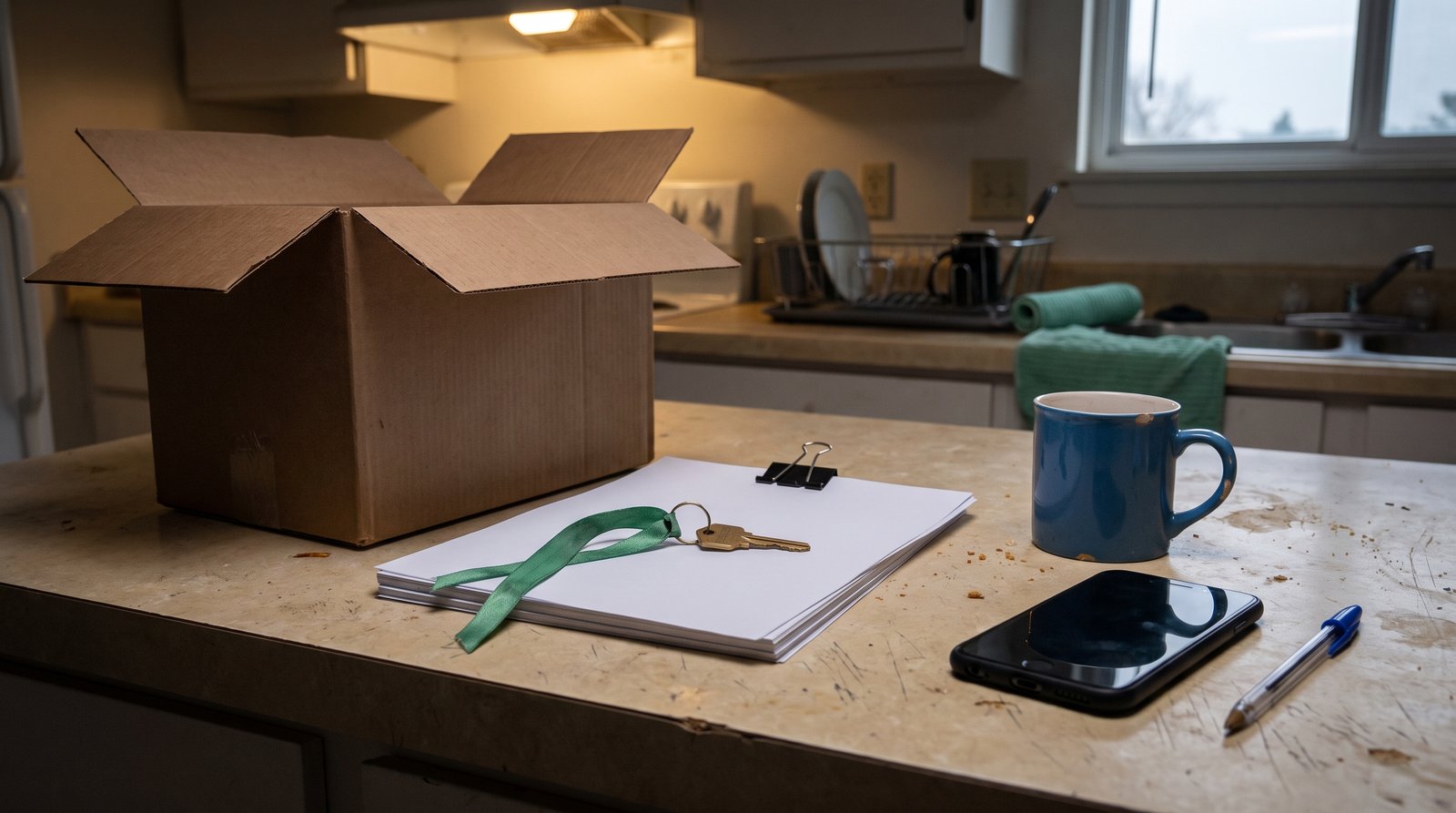
The salesman sits at your kitchen table with a tablet and a savings chart. Your electric bill mostly goes away, he says, and a solar payment smaller than that bill takes its place. The tax credit gives you 30 percent back. The panels pay for themselves. You sign on his screen before he leaves.
Then the installer goes out of business. The panels stay on your roof, and the loan stays in your name.
What the pitch is
On July 15, 2026, Michigan Attorney General Dana Nessel sued Climax Solar, a Portage company that sold rooftop systems through in-home sales visits. She also sued its owner, Joshua Thompson, and the finance companies that funded the sales, including Sunlight Financial, Cross River Bank, Regions Bank (as successor to EnerBank USA), Mosaic and Sunnova. The case is People of the State of Michigan v. Orbit Marketing, LLC d/b/a Climax Solar, No. 1:26-cv-02084, in federal court in the Western District of Michigan.
The complaint sums up the model in five words: “Pitch, Sign, Fund, Fail, Collect.” The AG alleges salespeople rushed homeowners through contracts and loan papers on company devices in a single visit. According to the complaint, lenders released money on paperwork milestones before systems were finished, hooked to the grid, or approved by the utility to run, and many systems were left unfinished, underperforming, unsafe, or never turned on. Climax filed for bankruptcy and shut down in 2024.
This is where your credit comes in. The AG alleges the lenders kept collecting and reporting on these loans after homeowners told them about disputed signatures, failed inspections and dead systems, and that some homeowners faced negative credit reporting, liens, or collection activity. Among the relief the AG is asking for: corrections to credit reporting and release of liens and UCC filings.
These are allegations. None of it has been proven in court, and the defendants haven’t had their say.
Why it sounds good
Because parts of it are true. Solar can cut an electric bill. Plenty of honest installers do good work, and the AG said as much when she filed. The 30 percent federal tax credit was real for years. A fixed monthly payment at a low advertised rate looks a lot better than a utility bill that keeps climbing.
And it happens at your own table, with a friendly person and a signature box on a screen. Nobody feels like they’re taking out a $48,000 loan when they tap “I agree” on a tablet.
Why it falls apart
The low rate was paid for up front. The complaint counts 1,689 Climax loans in Michigan totaling about $81.26 million. About $22.14 million of that was what the AG calls hidden finance charges: dealer fees and platform fees built into the price instead of disclosed as the cost of credit. The average financed price was about $48,114, and the average hidden charge was 27.24 percent of it, roughly $13,106.
Do the subtraction. That leaves about $35,000 for the actual solar work, which means the fee was a markup of about 37 percent on the real price. The complaint says Climax had a lower cash price, but homeowners weren’t told they were choosing between the two. The CFPB’s August 2024 report on solar financing found these fees typically run 10 to 30 percent of the cash price, can go past 50 percent, and usually aren’t counted in the advertised APR.
The tax credit is gone. The IRS says the Residential Clean Energy Credit “is not available for any property placed in service after December 31, 2025.” That matters twice. Many solar loans expect you to pay down about 30 percent of the balance, sized to the old credit, and the CFPB says it’s “commonplace” for the payment to re-amortize higher around the 19th month if you don’t. If someone sells you a system you’ll own in 2026 and promises the tax credit will pay part of it, he’s selling a credit that no longer exists for homeowners.
The loan outlives the installer. Your contract with the installer and your loan with the lender are two separate papers. When the installer folds, the lender is still there, still reporting your payment history to the bureaus every month. Two of the finance companies in this case, Mosaic and Sunnova, went through Chapter 11 bankruptcy themselves in 2025. Loans get sold and handed off. You can end up paying a company you’ve never heard of.
The lien follows the house. The CFPB report notes that lenders commonly file UCC liens on the panels, public filings that give the lender a claim to the equipment. It quotes a Center for Responsible Lending report warning that such a lien “can muddy the title” and may have to be released or made subordinate before you can refinance. One Michigan homeowner, Sean Hephner, told WWMT in August 2026 that a lien went on his home without his knowledge and a second followed after his contract was sold. That’s the cost nobody puts on the savings chart: the next time you try to sell or refinance, this loan is sitting in the way.
What to do instead
- Slow the sale down. The FTC’s Cooling-Off Rule gives you until midnight of the third business day to cancel most sales made at your home for $25 or more, for a full refund. Michigan’s Home Solicitation Sales Act has its own three-day right. Ask for the cash price and the financed price in writing. The gap between them is the fee.
- Find the Holder notice. Under the FTC Holder Rule, 16 C.F.R. § 433.2, a seller-arranged loan has to carry this notice in bold: “ANY HOLDER OF THIS CONSUMER CREDIT CONTRACT IS SUBJECT TO ALL CLAIMS AND DEFENSES WHICH THE DEBTOR COULD ASSERT AGAINST THE SELLER.” It means complaints you have against the installer can be raised with whoever holds the loan. Recovery is capped at what you’ve paid. Put your complaint to the lender in writing and keep copies.
- Dispute what’s wrong on your report. If a loan you didn’t sign, a wrong balance, or a wrong status shows up, dispute it for investigation under the Fair Credit Reporting Act, 15 U.S.C. § 1681i. The bureau has 30 days to investigate and 5 business days to pass your dispute to the lender. If the answer doesn’t settle it, § 1681i(b) lets you add a statement of up to 100 words to your file. Late payments that really happened are accurate and stay. Results vary.
- Report it for free. File with your state attorney general’s consumer protection office and with the CFPB at consumerfinance.gov/complaint. Michigan homeowners who bought from Climax can reach the AG’s Consumer Protection Team at 877-765-8388.
- Think before you stop paying. Skipping payments in protest can put accurate late marks on your report. Talk to legal aid or a consumer attorney before you do.
After I dug out of my own debt, I still had to fight wrong entries on my report and collectors chasing money I didn’t owe. It was slow, but it was free.
My own position, plainly: CreditShield is a free do-it-yourself credit app with a one-time $47 Full Access upgrade. It can help you dispute errors on your reports. It can’t cancel a solar loan or release a lien. If you get stuck on the credit side, bring it to our free community on Skool.
This is education, not legal advice.
Sources
- AG Nessel Files Lawsuit Against Solar Company, Financial Institutions for Alleged Deceptive Scheme — Michigan Department of Attorney General, 2026-07-15
- Complaint, People of the State of Michigan v. Orbit Marketing, LLC d/b/a Climax Solar, et al., No. 1:26-cv-02084 (W.D. Mich.) — Michigan Department of Attorney General, filed 2026-07-15
- Exclusive: Alleged victim speaks out about “nightmare” Portage solar panel finance scheme — WWMT News Channel 3, 2026-08-15
- Solar Financing Market Issue Spotlight — Consumer Financial Protection Bureau, August 2024
- Residential Clean Energy Credit — Internal Revenue Service, reviewed 2026-07-04
- Buyer’s Remorse: The FTC’s Cooling-Off Rule May Help — FTC Consumer Advice, updated September 2025
- 16 CFR § 433.2, Preservation of consumers’ claims and defenses — Legal Information Institute, Cornell Law School
- 15 U.S. Code § 1681i, Procedure in case of disputed accuracy — Legal Information Institute, Cornell Law School