Lost Your Home After VASP Ended? The 2-Year Credit Rebuild Plan for Veterans
The VA's VASP rescue program ended in May 2025 and thousands of veterans have faced foreclosure since. Here's the realistic 24-month path to VA-loan ready.
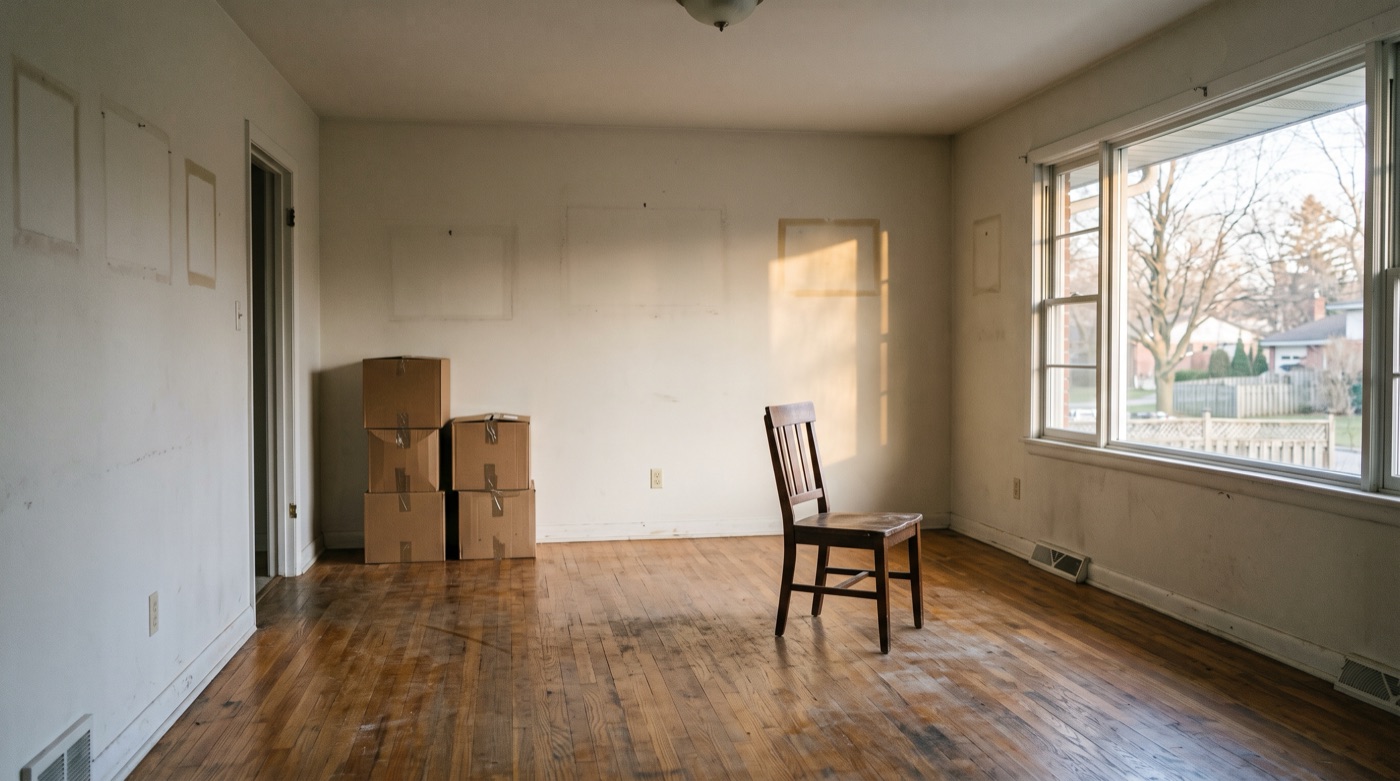
In May 2025, the VA shut down VASP — the Veterans Affairs Servicing Purchase program that had been buying delinquent VA loans to keep struggling veterans in their homes. A partial-claim replacement arrived months later, but for tens of thousands of veterans the gap was fatal: the foreclosure went through.
If that’s you, this article is not going to pretend it’s a small thing. Losing a home wrecks your credit, your savings, and — if nobody says it plainly — your sense of having kept up your end of the deal. You kept your end. A program ended out from under you.
Here’s what a foreclosure actually does to your file, what it means for using your VA benefit again, and a realistic 24-month plan to get back to a closing table. Written by a company founded by a disabled combat veteran who has dug out of his own financial crater — this is the honest version, not the guru version.
What a foreclosure does to your credit report
A completed foreclosure typically drops a credit score by 100 to 160 points, hitting higher scores hardest. The tradeline stays on your report for seven years from the first missed payment that led to the foreclosure — not seven years from the sale date. That distinction matters: if you stopped paying in early 2024 and the foreclosure completed in late 2025, the clock started in 2024.
Two things soften this over time:
- The damage decays. Scoring models weight recent behavior far more than old events. A foreclosure with two years of perfect payments after it looks very different from one with two years of continued chaos.
- Lenders underwrite the story, not just the score. VA lenders in particular are used to seeing hardship with a clear cause — and “the VA terminated its own rescue program” is about as clear a cause as exists.
Check your report for foreclosure reporting errors — seriously
Foreclosed loans get transferred between servicers, sometimes more than once, and transferred accounts are where credit reports break. After a foreclosure, pull all three bureau reports and check every line of the mortgage tradeline:
- Dates. Is the date of first delinquency right? An error here can illegally extend how long the foreclosure stays on your report.
- Balance. After the foreclosure sale, the tradeline should not show a growing past-due balance. A VA-guaranteed loan generally should not show a deficiency balance owed by you if the VA paid a claim — if a collector appears claiming one, demand validation before paying anyone a cent.
- Duplicates. One foreclosure reported by two servicers as two separate derogatory accounts is a common — and very disputable — error.
- Status. “Foreclosure completed” is accurate. “Active delinquency” every month after the sale is not.
Every one of those errors is disputable under the FCRA, and this is where disputes genuinely work: not erasing true history, but correcting false details that make the damage look worse and last longer than the law allows.
Can you get another VA loan? Yes — here’s the honest version
Your VA home loan benefit is not gone. Three things control when and how you can use it again:
1. Seasoning. Most VA lenders want two years between the foreclosure and the new loan. A few will consider less with strong compensating factors, but two years is the realistic planning number.
2. Entitlement. If the VA paid the lender a claim on your foreclosed loan, that portion of your entitlement is used up until you repay the VA’s loss. But most veterans have remaining entitlement — often enough to buy again, sometimes with a down payment depending on the loan size and your county limits. Get your Certificate of Eligibility and have a VA-experienced lender read it; don’t assume the benefit is dead.
3. CAIVRS. Lenders check a federal database called CAIVRS for outstanding federal debts, and a VA claim can appear there. Have your lender pull it early so you know exactly what you’re working with — not at day 25 of underwriting.
And remember the score piece: the VA itself sets no minimum credit score — lender floors are usually 580 to 620, which is a very reachable number two years after a foreclosure if the rebuild is deliberate.
The 24-month rebuild plan
Months 0–3: stabilize and document. Get housing settled and start a paper trail: 12+ months of on-time rent (bank transfers or checks, not cash) will matter to your next underwriter. Pull all three reports, dispute the foreclosure-reporting errors above, and track what happens next. If you have no open credit accounts left, open one secured card. Small limit, one recurring bill on it, paid in full monthly.
Months 3–12: build the boring streak. Nothing new — just perfection on what exists. Every account paid on time, every month. Keep card balances under 10% of the limit. Deal with any smaller collections that came out of the same crisis: check how long they’ll stay, dispute the inaccurate ones, and consider goodwill letters for isolated late payments on accounts you kept current before the crisis — “the VA ended VASP while I was in it” is exactly the kind of documented hardship goodwill requests are built for.
Months 12–24: get mortgage-ready. Add a second small tradeline only if your file is thin. Start saving actual reserves — after a foreclosure, money in the bank does as much convincing as the score does. In the final six months: no new credit applications, no big balance swings, and a conversation with a VA-experienced loan officer at month 18 so you know your entitlement, CAIVRS status, and target numbers before you shop.
What NOT to do
The people who target veterans after a foreclosure are worse than the ones who target them before. Skip anyone selling “new credit file” CPNs (that’s federal fraud, not a fresh start), anyone promising to remove a real foreclosure (accurate history can’t be legally erased by anyone), any “veteran debt relief” outfit that calls you first, and any “loan modification specialist” who wants a monthly fee to stop a foreclosure that’s already in motion — real modification programs don’t charge you to apply. You’ve been burned by one program ending; don’t let a scammer make it two.
You’ve rebuilt from worse
Two years feels long. But it’s a defined mission with a checklist, and every month of the boring streak is a rung back up. The system that let you down doesn’t get to decide how this ends — you do, one on-time payment and one corrected error at a time.
If you want the tools: the free CreditShield community is where veterans in this exact spot compare notes, and the free CreditShield app gives you the letters and the round tracking to run the dispute side yourself — no monthly fees, no promises we can’t legally make, just the same honest work our founder did on his own report.
CreditShield is education and self-help software, not a lender, law firm, or credit repair organization. Nothing here is legal or financial advice, and no specific credit outcome is guaranteed. Loan decisions belong to lenders; individual results vary.


