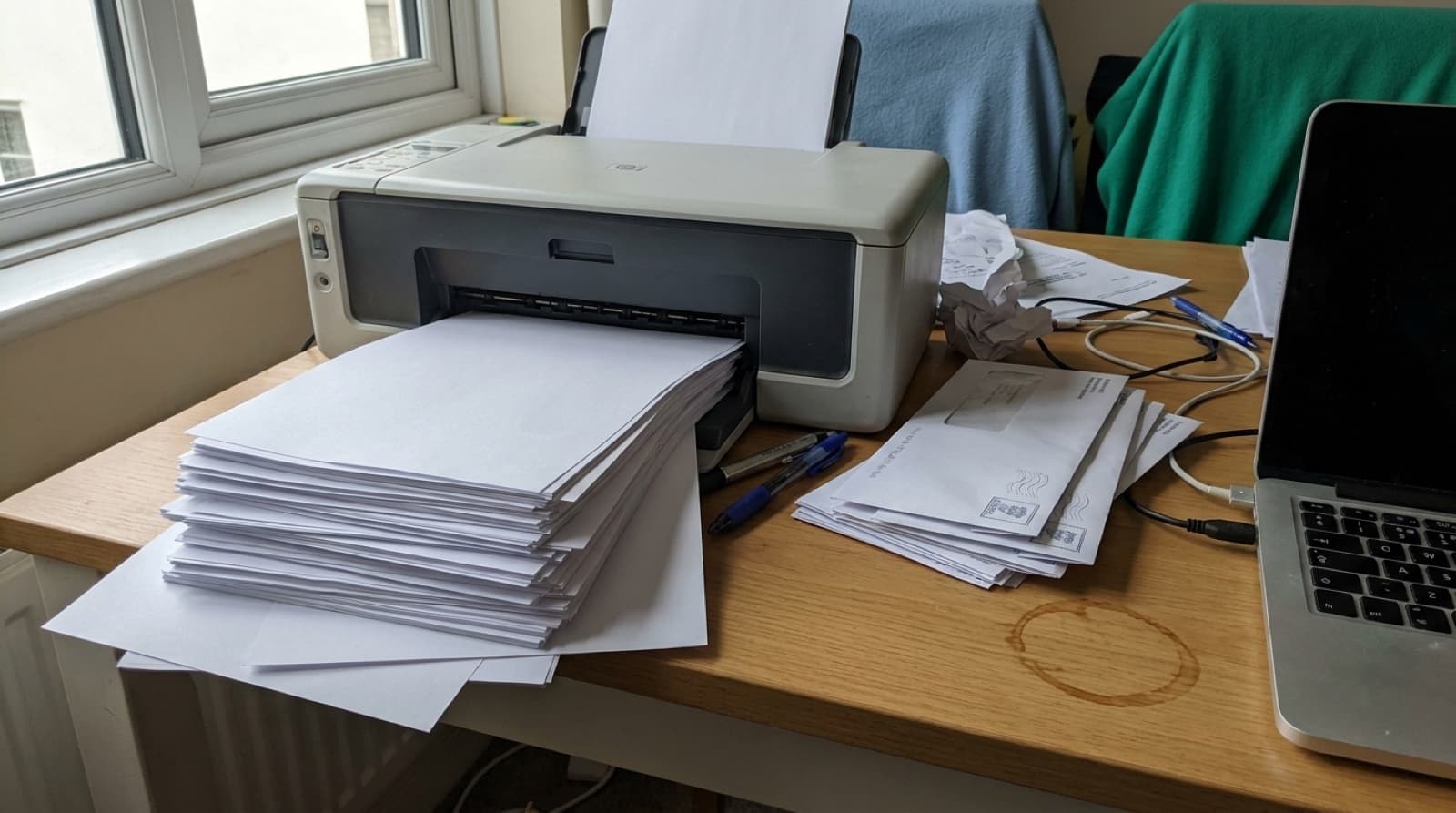
The sales page makes a technical argument, and the technical part is true. The bureaus run automated systems that detect templated dispute letters and reject them before a human ever reads one. So the software solves it: every letter it generates is unique — different wording, different structure, different legal theory — so nothing can be pattern-matched and auto-rejected. Some platforms sell it in escalating tiers with names like "4x4" and "Mega Strike."
It is a real solution to a real obstacle. It just isn't a solution to the problem you actually have.
What Is This?
Dispute mills are not new. The 2026 version is: platforms that use AI to mass-produce dispute letters engineered specifically to defeat the credit bureaus' frivolous-detection systems.
The first generation of dispute mills mailed the same template thousands of times. The bureaus responded by building detection for exactly that — repetitive, generic, everything-is-wrong letters get flagged and set aside. So the mills adapted. The pitch now is variation as a feature: because no two letters look alike, the bureaus supposedly can't batch-reject them and must route each one to manual review.
The product being sold is not accuracy. It's evasion. Read the marketing closely and you'll notice it almost never claims the disputes are correct — only that they'll get through.
Why It Sounds Appealing
Because the obstacle it describes is real, and because it reframes your problem as a technical one.
If you've disputed before and gotten a form rejection back, "the bureaus auto-reject templates" explains that experience perfectly. It tells you nothing was wrong with your claim — the filter was the problem. And here's software that beats the filter. You don't need to understand your credit report. You need better tooling.
It also scales in a way that feels like effort. Forty letters going out feels like forty times more pressure than one. The dashboard fills up. Something is clearly happening.
Why It Fails — and Why It's Now Backfiring on Everyone
Getting past the filter isn't the same as winning. Under FCRA § 611(a)(1)(A), a bureau investigates a disputed item and reports the result. If the furnisher verifies the information as accurate, it stays — no matter how the letter was worded. A more sophisticated letter doesn't change what the furnisher's records say. And under § 611(a)(5)(B), information deleted during an investigation can be reinserted once the furnisher certifies it's accurate. The score bump these platforms screenshot is frequently that gap, not a result.
Volume is still the tell. The frivolous-and-irrelevant determination in FCRA § 611(a)(3) doesn't hinge on whether a letter looks templated. It hinges on whether there's a reasonable basis to believe the information is inaccurate. Forty simultaneous disputes across every account on a file don't establish forty reasonable bases — and the same logic applies to direct disputes with furnishers, which may be deemed frivolous under the FCRA's direct dispute rule when they're substantially the same as a prior dispute already investigated.
Regulators have now named these tools by category. On June 25, 2026, the CFPB announced an overhaul of its consumer complaint system. In explaining why, it pointed to credit repair organizations and credit clinics, social media influencers encouraging followers to file, and — explicitly — AI-driven tools acting as consumers' agents, noting that some of this activity disputes accurate negative information. The volume figure it cited: credit reporting complaints rose from roughly 150,000 in 2019 to more than five million in 2025, an increase of over 3,700%.
The consequence lands on consumers with real errors. The announced changes add friction to a channel that exists to help people: identity verification and two-factor authentication, disclosure requirements identifying third parties involved in filing, portal notices directing consumers to exhaust their dispute rights with the bureaus first, and consideration of a new response category for complaints filed without a prior FCRA dispute attempt. A February 2026 update had already introduced a waiting period before a consumer can escalate. The National Consumer Law Center's objection is worth taking seriously — it argues these changes create barriers for people reporting genuinely illegal conduct.
That's the real cost. The mills didn't just waste their own customers' money. They congested the channel badly enough that the regulator narrowed it, and the person with one legitimate charged-off account reporting on the wrong date now has more hoops to clear than they did in 2025.
And if you're paying monthly, check the law. CROA, 15 U.S.C. § 1679b(b), prohibits a credit repair organization from charging or receiving payment before the promised services are fully performed. A subscription billed in advance doesn't satisfy that.
The Real Alternative
A dispute's force comes from one thing: a specific, documented factual assertion about a specific item on your report. Not the phrasing. Not the volume. Not the legal theory count.
Pull all three reports free at AnnualCreditReport.com and read them line by line. Find what is actually wrong — a balance that doesn't match your records, a date of first delinquency that would change when the item ages off, an account that isn't yours, a status still showing open after you settled. Then dispute those specific items for investigation, one at a time, stating what's inaccurate and attaching what proves it. A single documented dispute is the thing the frivolous machinery cannot deflect, because there is a reasonable basis and you've shown it. Accurate, timely items stay — that's true no matter what wrote the letter. Results vary by file.
We should be straight about our own position here: CreditShield sells an AI-assisted dispute tool. The distinction isn't AI versus no AI — it's what the tool is optimized for. Ours starts from your actual report and your actual facts and produces one letter per real inaccuracy, which you review, print, and mail yourself. It is not built to generate volume, and it is not built to beat a filter. If a platform's core promise is that its letters get through rather than that they're right, that tells you what it was designed to do.
Want to dispute it yourself? The CreditShield Toolkit turns your own facts into accurate, statute-cited dispute letters — 11 letter types, one-time $27, no subscription. You print and mail everything yourself. Prefer to learn first? Join the free CreditShield Academy → Educational, not legal advice. Results may vary.
Related reading: